
Button Nose: Explore Every Shape, Comparison & Guide
A complete resource covering button nose, its types, comparisons with other nose shapes, anatomy, beauty perception, and health.

What is Button Nose?
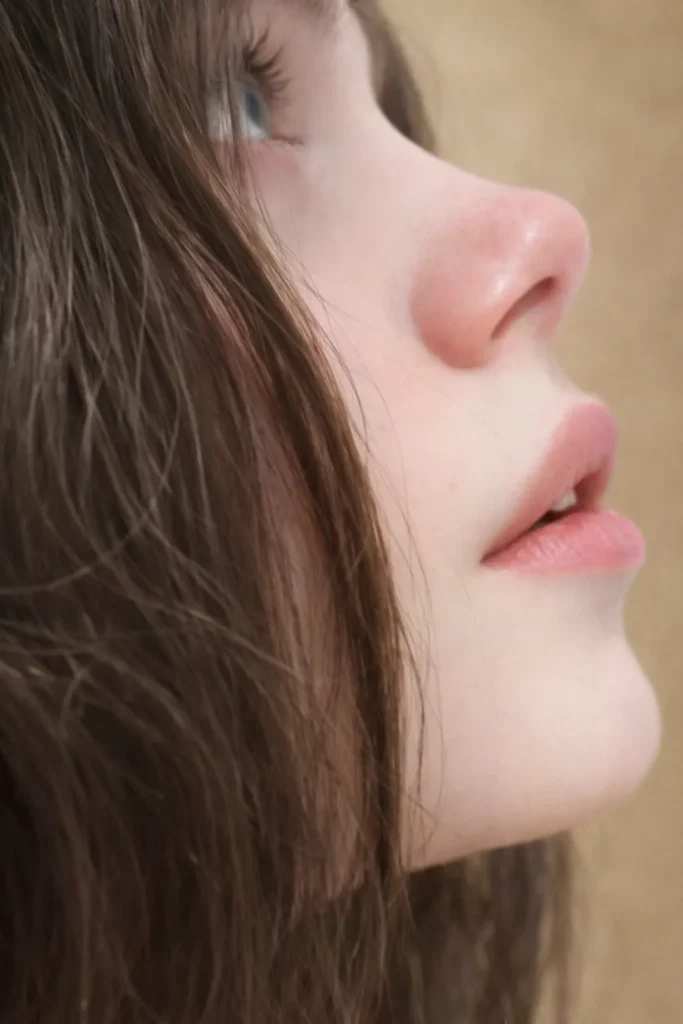
A button nose refers to a small, rounded nose with a slightly upturned tip. The shape appears compact and soft rather than sharp or angular. The tip curves gently upward, and the bridge sits low without appearing flat.
This shape appears naturally across many different faces and backgrounds. It does not belong to one ethnicity or facial type. Many people recognize it immediately due to its distinctive rounded form.
The term describes a general appearance, not a strict medical category. Variation exists within the shape itself.
Types of Button Noses
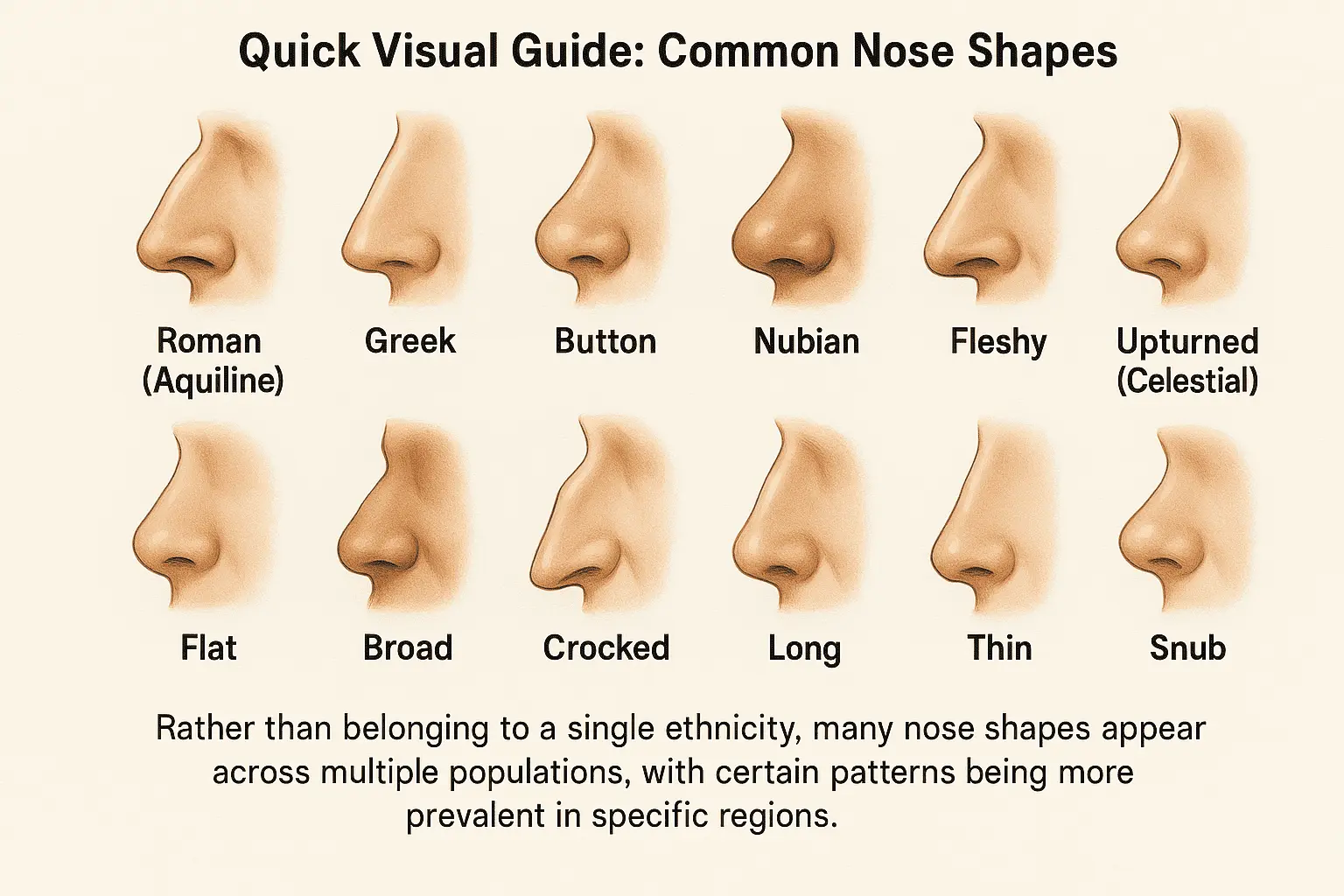
The button nose shape appears in several natural variations. Not all button noses look identical. Differences show up in width, tip rotation, bridge height, and overall size.
Common variations include the classic, wide, narrow, flat, and upturned button nose. Each type shares the rounded tip and compact length. The differences reflect individual facial structure and genetics.
Recognizing these types helps with visual identification. Many people show traits from more than one variation. The categories describe patterns rather than fixed boundaries.
Button Nose vs Other Nose Shapes
The button nose differs from other common shapes in several ways. A Roman nose has a prominent bridge. A Greek nose runs straight with no curve. A Nubian nose has a wider base and longer bridge.
These differences become clear when shapes are compared side by side. The button nose stands out through its short length, rounded tip, and low bridge. No other shape combines all three traits in the same way.
Understanding these differences helps with accurate identification.

Button Nose vs Baby Nose
Many people confuse a button nose with a baby nose. Both appear small and rounded, but they are not the same thing. A baby nose looks the way it does due to soft cartilage and undeveloped bone structure. The shape changes as the child grows.
A button nose is a permanent adult nose shape. It retains its rounded tip and compact size after full facial development. The resemblance is visual only. The underlying structure and cause are completely different.
Button Nose & Beauty Perception
Views on this shape vary across cultures and time periods. Some regions consider it a desirable feature. Others favor different shapes based on local beauty standards.
Media representation has influenced how people perceive this shape. Over time, broader acceptance of diverse facial features has changed these conversations. The shape appears frequently in beauty and fashion contexts.
Whether a button nose is considered attractive depends on cultural background, personal preference, and changing standards.
Button Nose Develops Naturally
The button nose shape develops through genetics and bone structure. The position of the nasal cartilage determines how the tip sits. A shorter nasal bone creates the low bridge appearance. These features develop during facial growth and become permanent over time.
No external method changes this process. The shape reflects individual genetic background and facial structure. Understanding development explains why this shape runs in families and appears consistently across generations.
Button Nose Myths & Facts
Several beliefs circulate about this nose shape. Some suggest appearance can change through simple methods. Others link nose shape to personality traits. Most of these ideas are not supported by evidence.
Clear information helps separate assumption from fact. The shape develops through genetics and facial structure. External methods do not alter bone or cartilage.