
Button Nose Myths vs Facts
Not every claim about nose shape is accurate
Quick Summary
This article separates common myths from factual explanations about button noses. It addresses genetics, aging, and natural change using basic science. The goal is to reduce confusion.
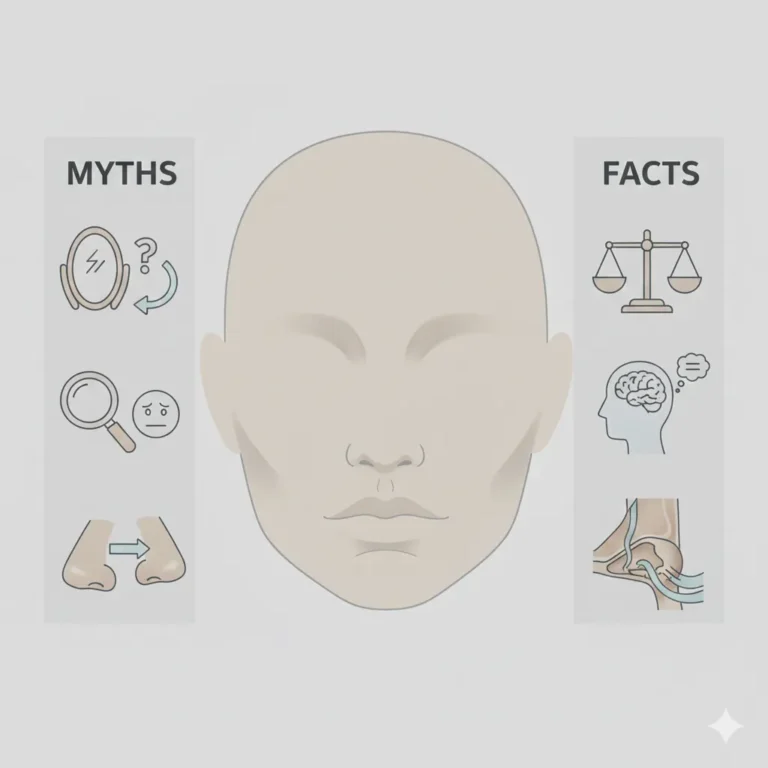
Myths about nose shape spread easily online and through everyday conversation. Many claims about changing or maintaining a button nose lack reliable evidence. This page addresses common misconceptions using clear and factual explanations. Understanding what is supported by evidence helps reduce confusion and unnecessary concern.
Can Nose Exercises Change a Button Nose?
The idea that nose exercises can reshape a button nose appears often online. Videos and posts suggest facial movements can make the nose smaller or more refined. There is no reliable evidence supporting these claims.
The nose consists mainly of bone and cartilage. Exercises work by strengthening muscle tissue through repeated use. The nose does not contain muscles that can change its structure through exercise.
Facial muscles around the nose can move, but they do not reshape the nose itself. These movements may cause short-term changes in expression. The size and shape of the nose remain unchanged.
Some people notice visual differences after exercises. These changes usually relate to lighting, posture, or temporary tissue compression. Bone and cartilage do not respond to exercise like muscles do.
Is a Button Nose Genetic?
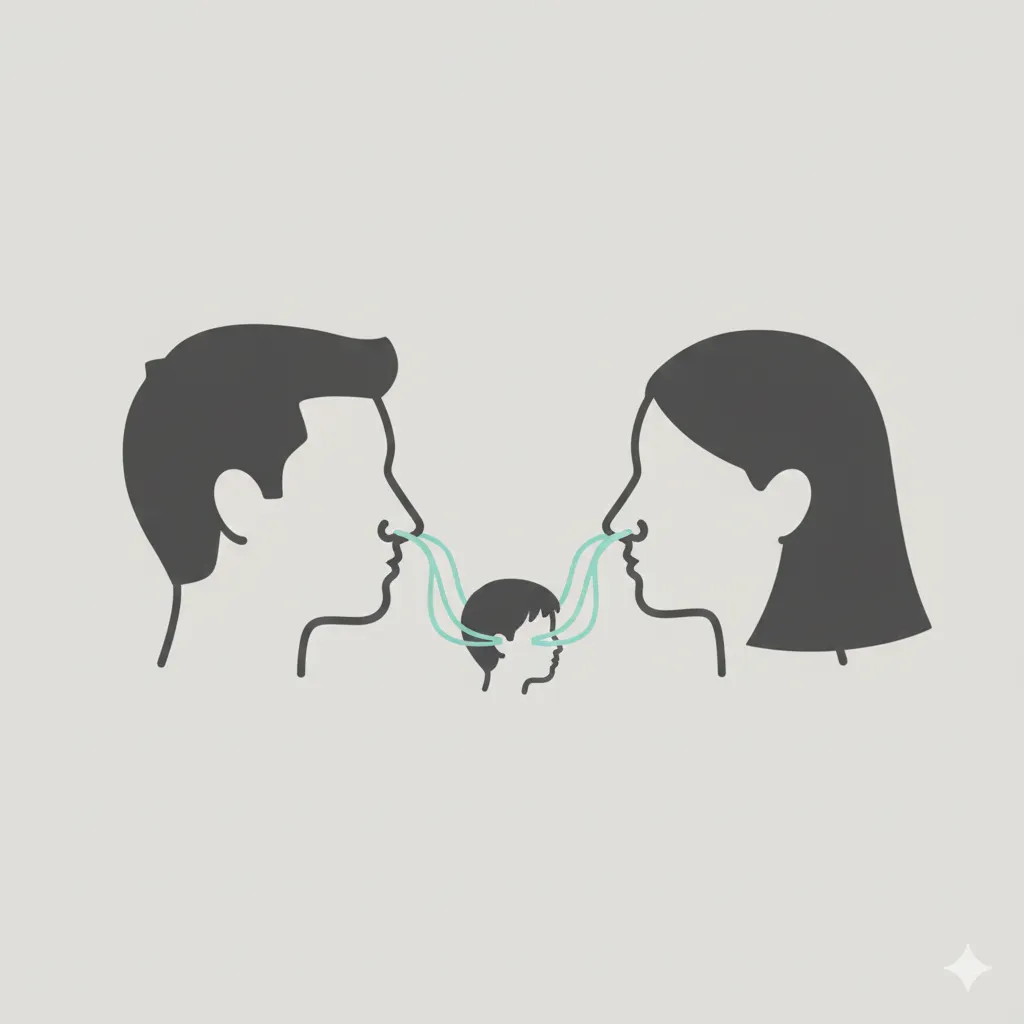
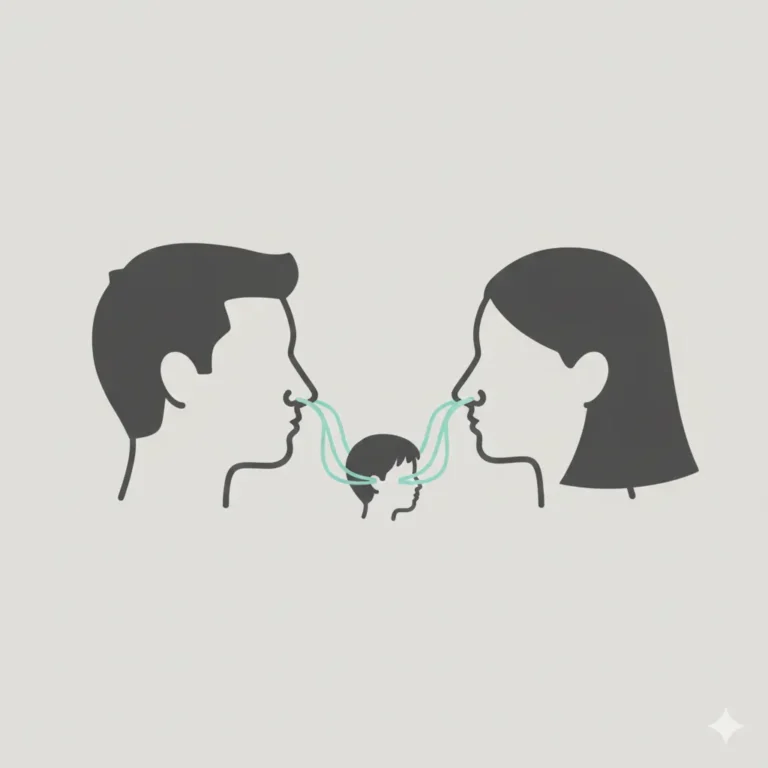
Nose shape develops largely from genetic factors. Traits passed down through families influence bone structure and cartilage form. A button nose often appears in relatives because these features are inherited.
Multiple genes contribute to nose shape. This explains why children may not look exactly like one parent. Facial traits often reflect a combination of inherited features.
Environmental influence on nose shape remains limited. Injury or medical conditions can alter structure. Everyday habits and behaviors do not reshape the nose.
People sometimes assume lifestyle choices affected their nose. Genetic information determines most structural traits. External influence plays a minimal role outside of trauma.
Does the Nose Grow With Age?
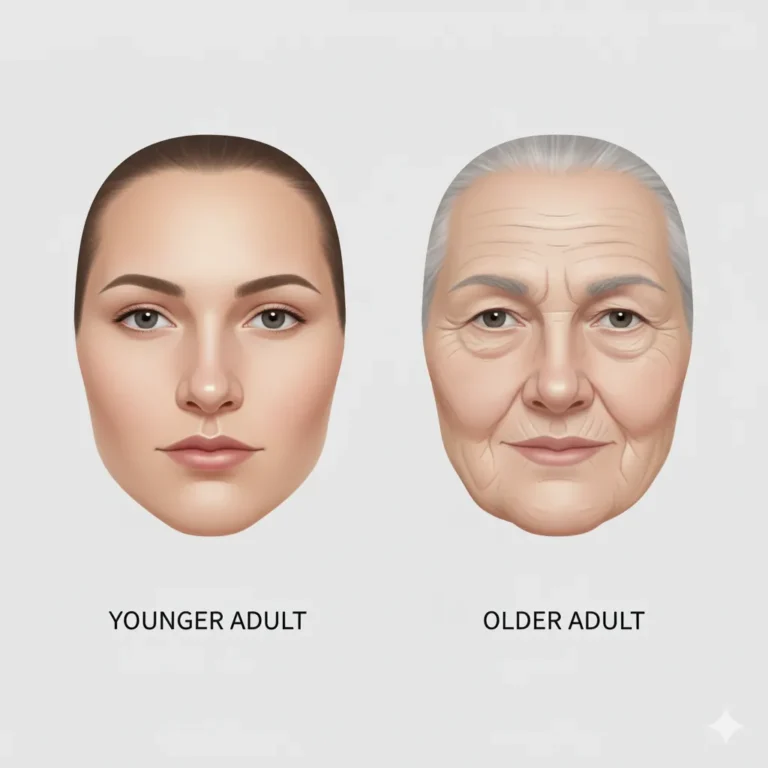
The nose changes in appearance over time, but it does not truly grow. Skin and cartilage lose firmness as people age. These changes can make the nose look longer or larger.
Gravity affects facial tissue gradually. As support weakens, the nasal tip may droop slightly. This shift creates the impression of growth.
Cartilage becomes less rigid with age. Subtle changes in position may occur over time. The degree of change varies between individuals.
A button nose may appear less upturned later in life. This reflects changes in skin and support tissue. The underlying structure does not increase in size.
Do Home Remedies Work?
Many home remedies claim to reshape a button nose. These include ice, toothpaste, ginger paste, and similar treatments. There is no evidence showing these methods change bone or cartilage.
Topical remedies act only on the skin’s surface. Some may tighten skin briefly or reduce swelling. These effects remain temporary and superficial.
Ice can reduce fluid buildup for a short time. This may alter appearance briefly. Normal circulation restores the original look.
Some substances irritate the skin. Redness or swelling may occur after application. These reactions do not produce structural change and may cause discomfort.
Can Pinching the Nose Change Shape?
The belief that pinching can reshape the nose exists in many cultures. Some people pinch daily hoping for visible change. Evidence does not support this practice.
Cartilage resists short-term pressure. Temporary compression may occur, but the structure returns to normal. Repeated pinching does not alter cartilage shape.
Brief changes in appearance may follow pinching. These effects fade as blood flow returns. Bone and cartilage remain unchanged.
Excessive pressure may irritate skin or small blood vessels. Discomfort can result from repeated force. Pinching does not change the shape of a button nose.

Are Button Noses Linked to Personality Traits?
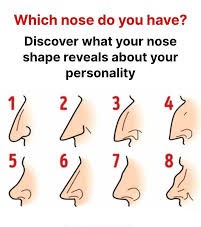
The idea that nose shape reflects personality appears in folklore and popular culture. Some beliefs suggest facial features reveal character traits. These ideas persist despite lacking reliable evidence.
Modern research does not support a link between nose shape and personality. Traits like kindness, confidence, or intelligence do not connect to facial structure. Appearance alone cannot predict behavior or temperament.
People often form quick impressions based on faces. These impressions come from social conditioning rather than factual association. A button nose may trigger assumptions, but those assumptions are subjective.
Cultural stories sometimes attach meaning to physical features. These narratives pass through generations without scientific backing. They reflect tradition rather than biological reality.
Personality develops through experience, environment, and individual psychology. Facial features do not shape these traits. A button nose carries no inherent meaning beyond appearance.