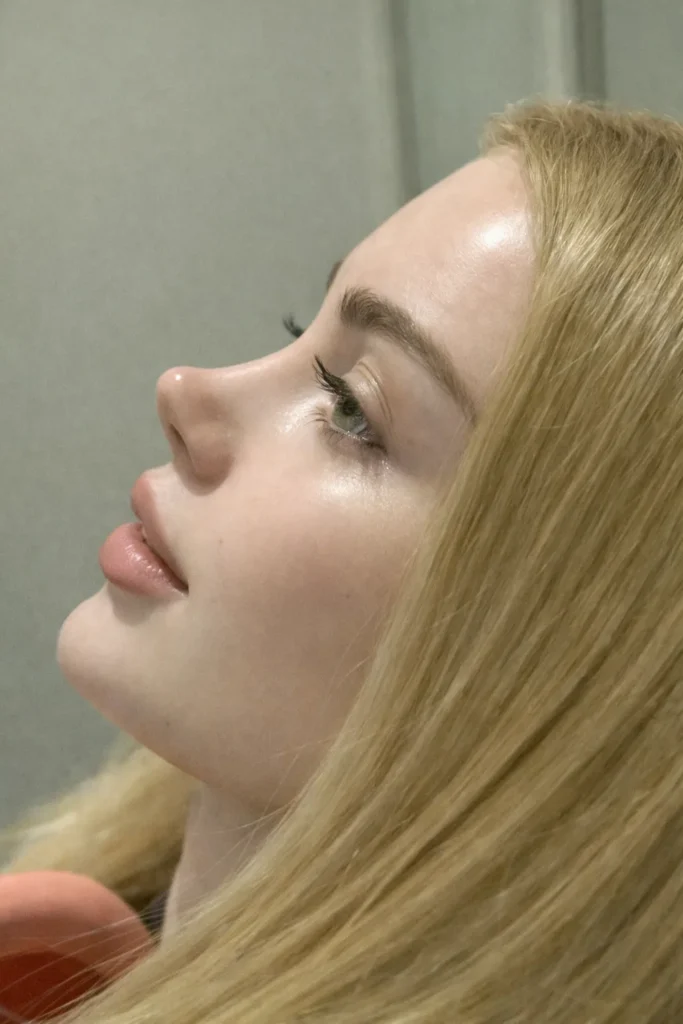
Button Nose & Health: Breathing and Functional Considerations
External appearance does not determine how breathing works.
Quick Summary
This page explains how a button nose relates to breathing and nasal function. It focuses on internal structures rather than surface shape. The content is informational and does not replace professional medical evaluation.
Can a Button Nose Affect Breathing?
External nose shape does not determine how breathing works. Airflow depends more on internal passages than outer appearance. A button nose can support normal breathing just like any other nose shape.
Breathing difficulties usually connect to internal factors. The nasal cavity, septum, and turbinates guide airflow. These structures sit behind the visible nose. A compact outer shape does not mean restricted internal space.
Many people with button noses breathe comfortably throughout life. Others experience congestion or airflow changes unrelated to shape. External form and internal function do not follow a fixed pattern.
Concerns about breathing often begin with visible features. External shape can draw attention even when function remains normal. Most airflow differences develop from internal changes rather than surface appearance. This explains why shape alone rarely predicts breathing comfort.
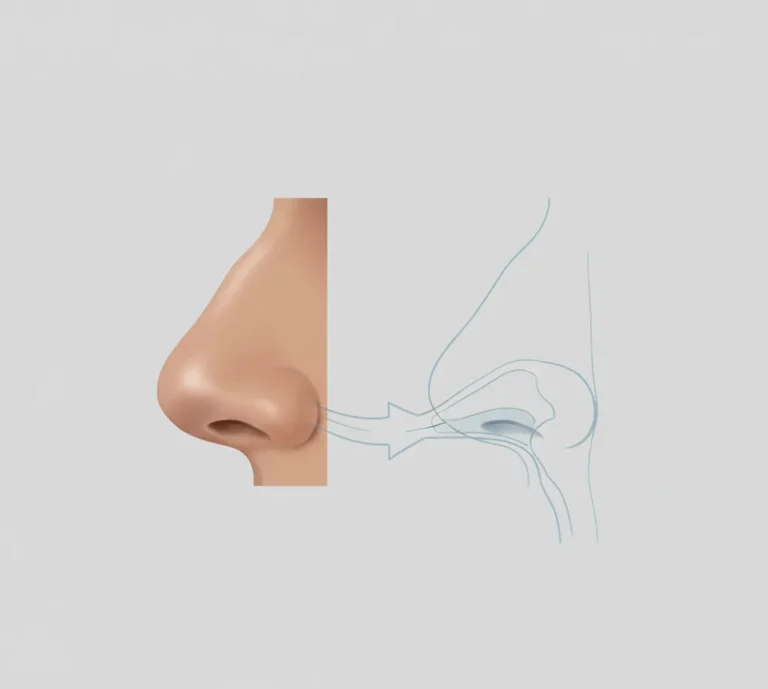
Nasal Airflow Efficiency
Airflow depends on how open the nasal passages remain. Air moves from the nostrils through the nasal valve into the cavity. The shape of these internal areas affects resistance and flow.
A button nose may have wide or narrow internal passages. External size does not reliably reflect internal space. Some small noses support open airways. Larger noses can still experience restriction.
Airflow also changes during the day. Allergies, infections, and irritation affect breathing more than nose shape. Temporary swelling often explains short-term congestion.
Airflow sensation can change without structural problems. Dry air, temperature shifts, and body position influence how breathing feels. These changes are temporary and common. They do not reflect the size or shape of the visible nose.
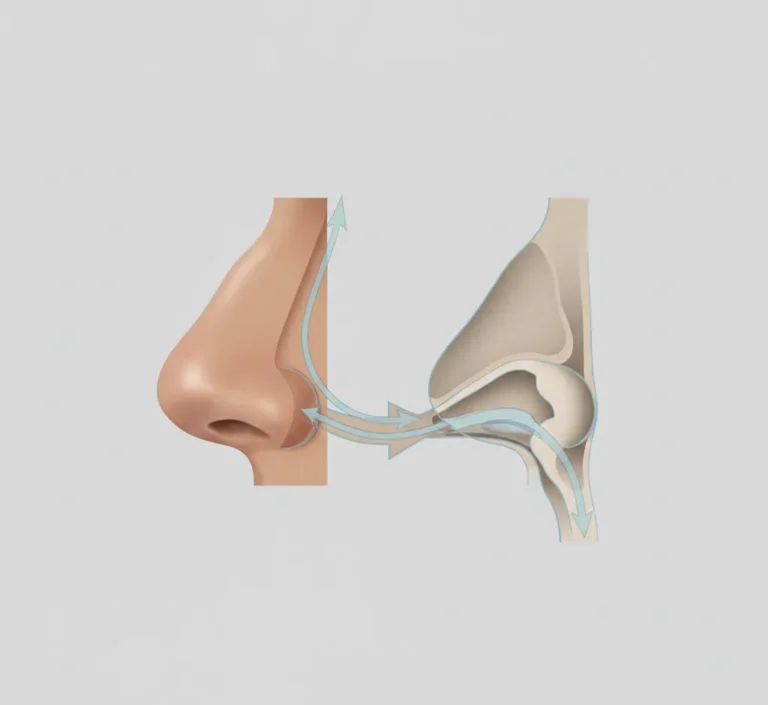
Nasal Valve Function
The nasal valve sits just inside the nostril opening. It forms the narrowest part of the airway. This area helps regulate airflow as air enters the nose.
Valve issues occur across all nose shapes. The valve may narrow during breathing or lack enough support. These changes relate to cartilage position and strength, not external appearance.
A button nose does not increase or reduce valve concerns. Valve function depends on internal support rather than visible features.
Common Functional Conditions
Several internal conditions influence breathing regardless of nose shape. These issues appear in people with many external features. Understanding them helps separate appearance from function.
Septal Deviation
The septum divides the nasal cavity into two passages. It consists of cartilage and bone. When it leans to one side, airflow may reduce.
Septal deviation can limit airflow on one or both sides. This condition often develops early or follows injury. It does not relate to having a button nose.
Many people have mild deviations without symptoms. Others notice frequent congestion or uneven airflow. The degree of impact varies between individuals.
Septal position cannot be judged by appearance alone. The structure lies inside the nose. External shape does not reveal septal alignment.
Turbinate Enlargement
Turbinates sit along the side walls inside the nose. They warm and humidify incoming air. When swollen, they reduce space for airflow.
Enlarged turbinates often cause congestion. Allergies, irritation, or infection may trigger swelling. In some cases, swelling persists longer than expected.
This condition affects people of all nose shapes. A button nose does not prevent turbinate changes. These structures respond to environmental and immune factors.
Turbinate size shifts naturally throughout the day. This cycle supports normal breathing function. Swelling and shrinking occur as part of healthy nasal regulation. These changes happen independently of external nose shape.
When to See a Doctor
Ongoing breathing difficulty may lead people to seek medical evaluation. Persistent congestion, mouth breathing, or sleep disruption often prompt concern. These patterns suggest an internal issue rather than surface appearance.
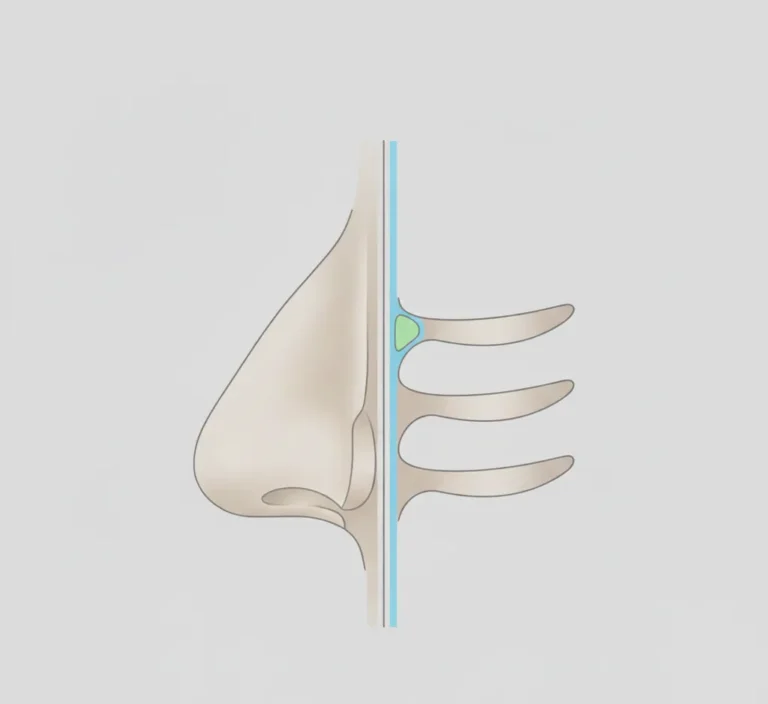
Healthcare providers examine the inside of the nose directly. They assess the septum, turbinates, and valve area. External shape does not provide this information.
Sudden airflow changes sometimes follow injury or illness. New symptoms may raise questions about internal structure. Professional evaluation helps clarify the cause.
Medical evaluation focuses on symptoms rather than appearance. Examinations assess internal structures directly. External shape offers limited insight into breathing function. Decisions rely on airflow patterns and patient experience.
Many people worry about nose shape when symptoms have other causes. Allergies, infections, and swelling often explain discomfort. A professional can distinguish between these factors.
Mild symptoms that come and go may not signal a lasting issue. Evaluation helps decide whether monitoring or action makes sense. Breathing quality depends on internal health, not appearance.
A button nose alone does not predict breathing function. Internal structure, environment, and overall health matter more. Functional concerns deserve attention based on symptoms, not assumptions.